How to Choose the Right Countertop for Your Kitchen or Bath
Walk through the decision between materials, understand what matters to your space, and avoid the mistake most people make.
Standing in a showroom, unsure what mattered
I stood in a showroom three years ago, looking at identical-seeming countertop samples and thinking they all looked fine. The decision felt paralyzing—not because I didn't know what countertops look like, but because I genuinely didn't know what mattered. Was granite inherently better than quartz? What would actually hold up in my kitchen? And how much was I supposed to spend?
The short answer: it depends. The longer answer involves understanding what you actually use a countertop for and which material matches your habits. After three kitchen and bath projects, I've developed a framework for this decision that cuts through the noise.
- Countertops are functional first and aesthetic second—the material you pick should handle daily use without complaint.
- Price doesn't automatically correlate with durability or maintenance burden; expensive materials can be finicky.
- Your decision changes completely depending on whether you cook daily or use your space occasionally.
Write down the use, then live with samples
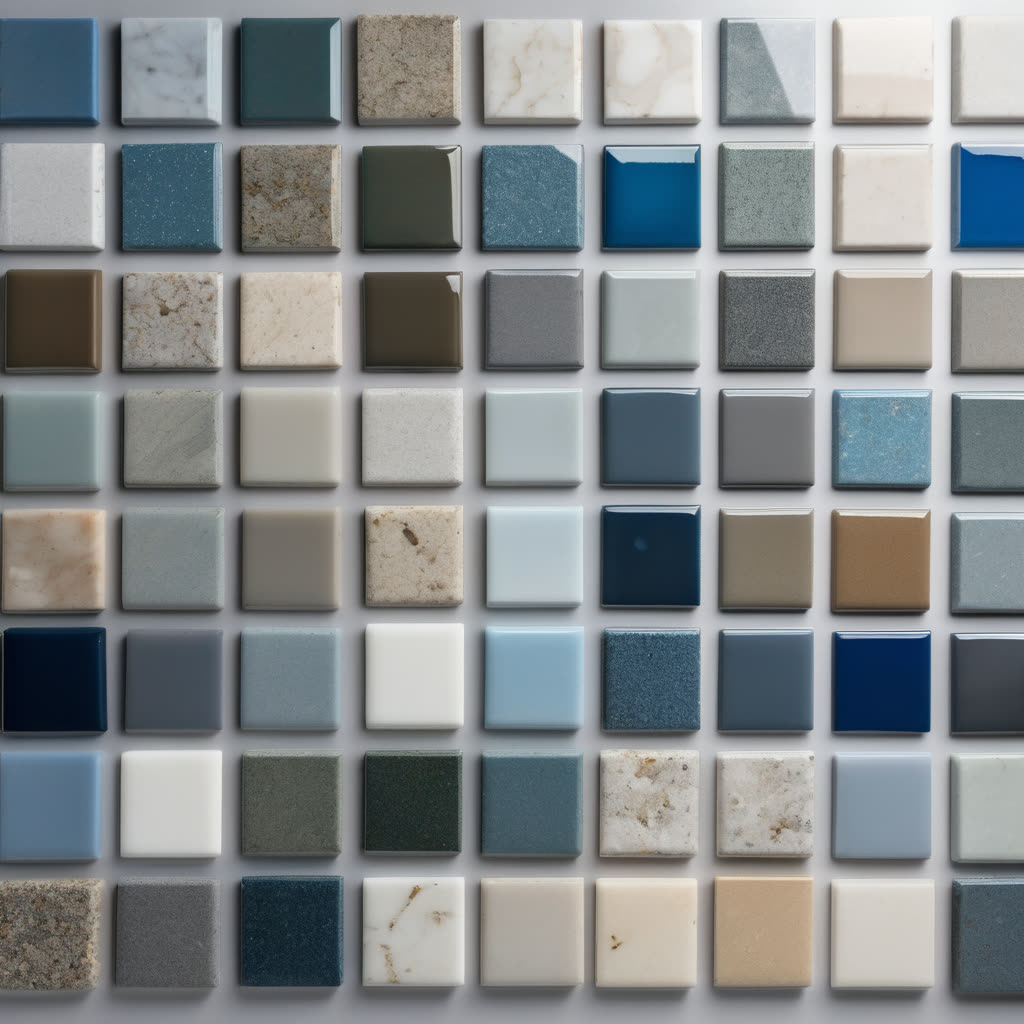
Start by writing down what you actually need. Will this surface see heavy cooking? Coffee spills? Kids doing homework? Once you know the real use case, the material choice becomes obvious. Granite and quartz handle different lives. Laminate handles a different life still. I needed a surface that could take heat, acidic spills, and neglect. That narrowed the field considerably.
Then look at samples in your actual space under your actual lighting. A photo in a showroom is not the same countertop in your home. Bring three samples home and live with them for a week. You'll notice things about the pattern, the sheen, and how it reads against your cabinets and backsplash that you would never catch under showroom lights.
Installed prices from laminate to marble
Material costs vary wildly. Laminate runs $15–$30 per square foot installed. Butcher block runs $40–$80. Granite and quartz run $60–$150. Marble runs $100–$200. The price difference is real, but it's not always a reflection of durability—quartz, which sits in the middle of that range, often outlasts cheaper granite because there's nothing to seal and nothing to etch.
Installation costs are usually 30–50% of your total budget. A kitchen with 25 square feet of counters and a standard backsplash will run $2,500–$5,000 in most markets. Some of that cost is the material; much of it is the precision work of templating, cutting, and leveling.
Budget for contingencies. If your cabinet layout is older or non-standard, templating takes longer and the fabrication becomes more complex. I've seen projects add $800 because a cabinet was 1/8 inch out of square.
Premium stone is not low maintenance
I chose granite because it looks amazing in photos, then spent two years angry that water spots wouldn't come off and acid spills left marks. I should have asked what maintenance I was actually willing to do.
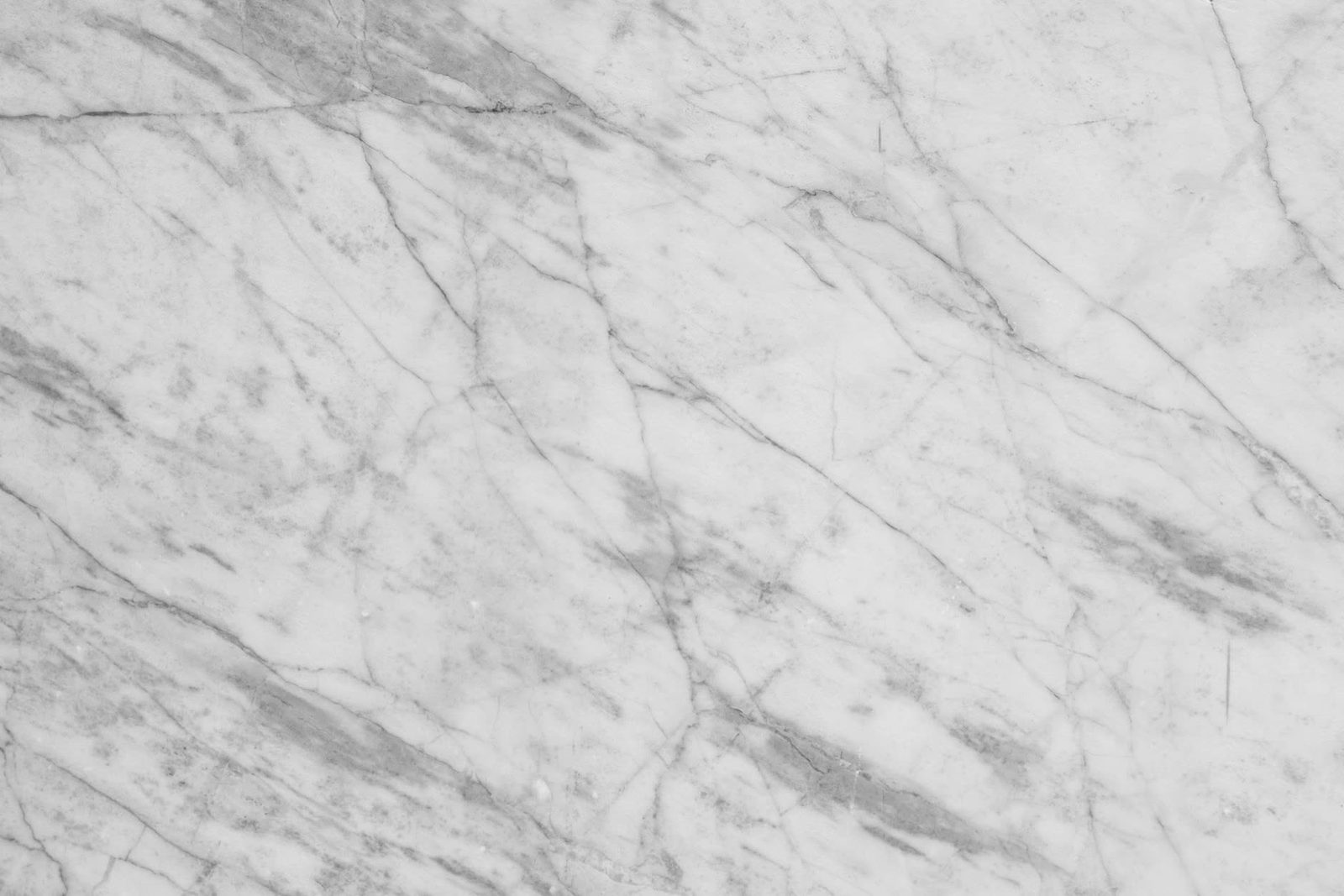
The mistake is assuming that a more expensive or "premium" material will require less maintenance. It's the opposite. Natural stone (granite, marble, limestone) requires regular sealing and careful handling. Engineered stone (quartz) is nearly maintenance-free. Laminate is completely maintenance-free but scratches and stains permanently. Each choice is a tradeoff, and nobody tells you the tradeoff when you're making the decision.
If granite is still on your list after that, these are worth reading before you order:
- The Natural Stone Institute care guide, for which cleaners are safe on sealed stone and which ones etch it.
- The HomeAdvisor countertop cost guide, to check a quote against national per-square-foot ranges.
Five questions to answer before you order
Work through these before you place an order. They'll save you from months of regret.
- What am I actually willing to seal and reseal? If the answer is "never," you need quartz or engineered stone. If the answer is "annually," natural stone is fine.
- What's my actual budget? Don't fantasize about spending $150 per square foot if you're genuinely comfortable at $75. Pick the material that fits your real budget and your real lifestyle.
- How do I feel about visible wear? Granite shows water spots and etching beautifully. Quartz shows fingerprints if it's dark. Laminate hides stains. Pick the one you'll stop noticing after a year.
- Am I templating myself or hiring it out? If you're templating, add $400–$800 to your timeline for mistakes and corrections. If you're hiring, that's usually included in the fabrication quote.
- What does the rest of my kitchen look like? A $20,000 renovation doesn't need $200-per-square-foot counters. A $80,000 renovation doesn't benefit from $40-per-square-foot laminate. Spend at the same level as your cabinets and flooring.
Once you've answered those, the next decision is who fabricates it. Ask any countertop company you're considering whether templating is in the quote, how many seams your layout needs and where they'll fall, and how long the slab takes after templating. Get those answers before you sign, because they shape the final price more than the per-square-foot figure does.
See the process in action
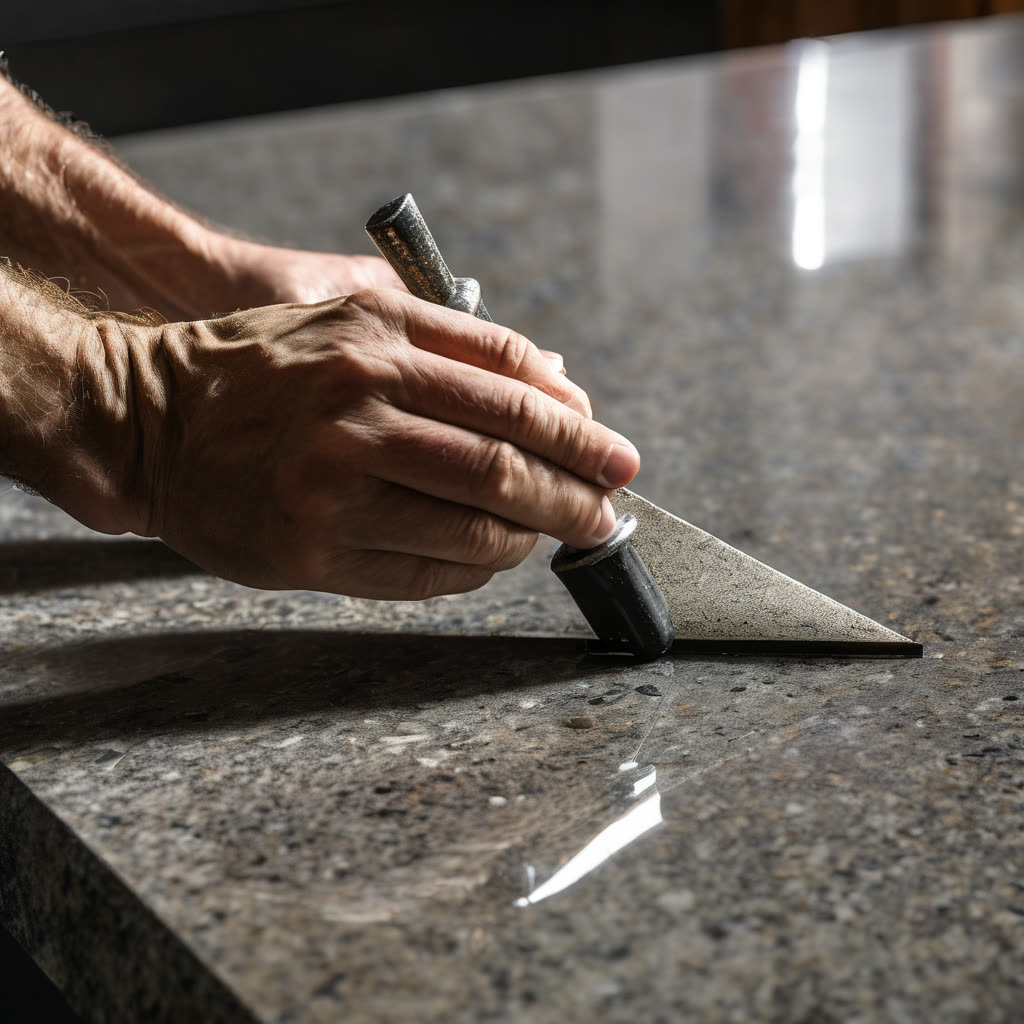
This video from This Old House walks through professional installation of a quartz countertop from templating through finishing. It shows the precision and the work involved—useful context for understanding what you're paying for when you hire it done.
After three projects, I've learned that countertop choice is not about taste—it's about honesty. Be honest about your habits, your maintenance tolerance, and your budget. The perfect countertop for someone else's kitchen means nothing. The right countertop for yours is the one you'll stop thinking about after a month because it just works.
For a deeper dive into project planning, see our planning guide. For common mistakes people make during installation, check what went wrong and how to fix it.