Countertop Difficulty Guide
Upkeep, not installation, is the hard part
Not every countertop material is appropriate for every kitchen, and difficulty has more to do with what you have to maintain than what it takes to install. A granite countertop that looks stunning in the showroom becomes a headache if it is in a kitchen where fast-turnaround cooking is the norm and spills happen by lunch. An engineered quartz that never needs sealing is genuinely lower-maintenance than a natural stone that demands it twice a year.
The material's installation complexity is only one axis. The maintenance burden starts the day it is sealed and continues for the life of the surface. Some materials demand professional repair. Others you can fix yourself. That difference shapes your actual relationship with the countertop far more than how hard it was to install.
Install, upkeep and repair, rated by material
| Material | Installation Difficulty | Maintenance Burden | Repair Complexity |
|---|---|---|---|
| Laminate | Low to moderate. Cuts straight, glues flat, fastens at the underside. | Very low. Wipe clean. Avoid prolonged moisture. | Low. Most damage is permanent. Replacement sections are available. |
| Engineered quartz | Moderate. Heavy, requires careful seaming, needs professional cutting for edges. | Low to very low. Non-porous. No sealing required. Resists staining. | High. Any chip or crack usually requires a fabricator. Not a DIY repair. |
| Granite | Moderate to high. Naturally brittle, requires professional cutting. Seaming demands precision. | Moderate. Requires sealing annually or biannually. Susceptible to etching from acids. | High. Chips and cracks need professional stone repair. Resealing is routine maintenance. |
| Marble | High. Very brittle, slow to cut, expensive to replace if damaged during installation. | High. Demands frequent sealing, sensitive to acids and oils, scratches easily. | Very high. Professional repair is nearly always required. Some damage is permanent. |
| Butcher block | Low to moderate. Cuts easily, fastens conventionally, finish can be applied on-site. | High. Requires regular oiling, avoids standing water, sensitive to heat near the stove. | Moderate to high. Surface can be sanded and refinished DIY. Deep damage may require replacement. |
| A note on this table: Difficulty varies with your contractor's skill and your own comfort with maintenance. A granite installer who has installed ten thousand slabs handles seaming differently than one who installs fifty a year. Similarly, a homeowner who oils butcher block every three months has a different experience than one who neglects it for a year. These assessments reflect average-case scenarios and ordinary upkeep. | |||
Flush, level and nearly invisible seams
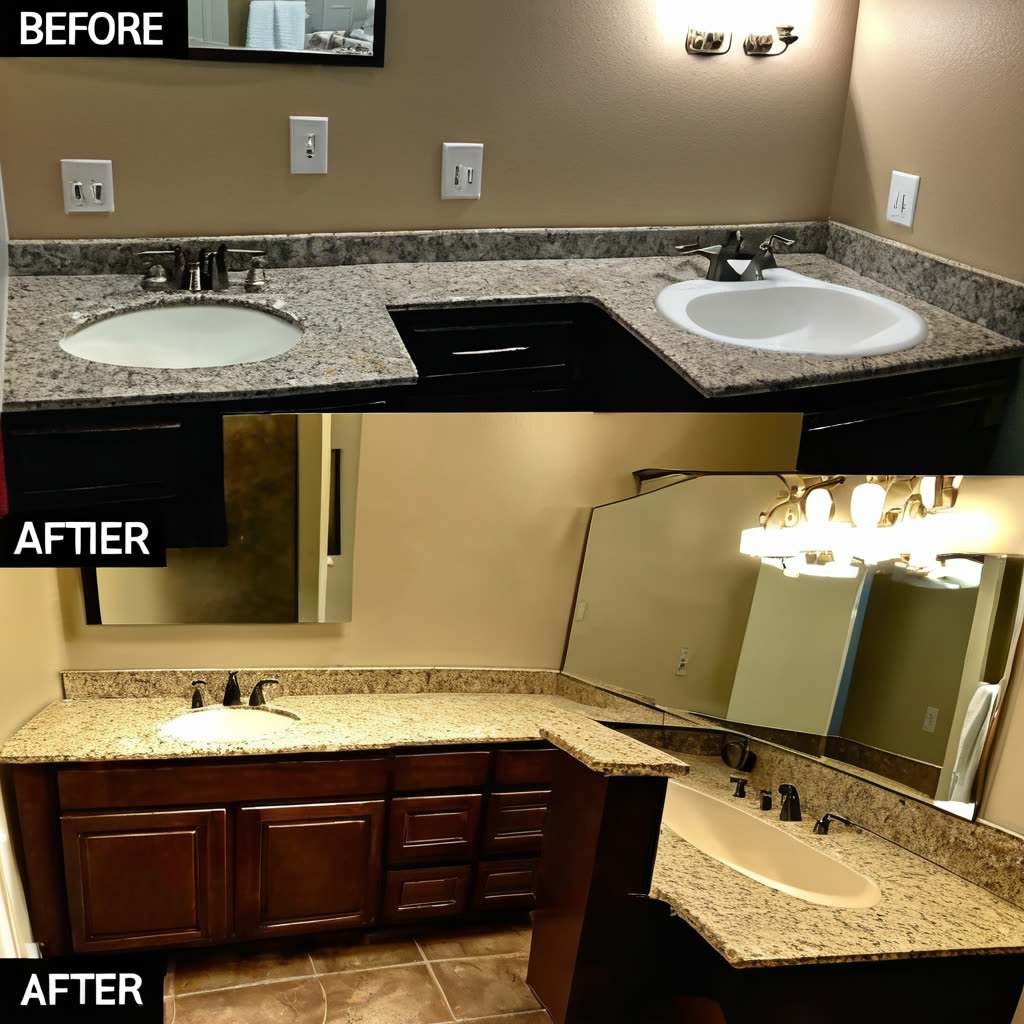
A correctly installed countertop sits flush with the cabinet tops, without gaps where the edge meets the backsplash. Seams, if they exist, should be nearly invisible—you can feel a hairline, but you should not see a line of grout or adhesive. Edges are finished, not raw. If it is sealed, the sealing is complete and even, with no areas where water can rest on the surface. The surface itself is level enough that water does not pool in one spot or run off the other edge.
What the difficulty really is
The hardest part of choosing a countertop is being honest about your own habits. High-maintenance materials are not bad—they are just more demanding. If you love marble and you are willing to seal it twice a year, go ahead. But if you know yourself to be someone who forgets tasks until they become urgent, a low-maintenance material is not a compromise. It is a fit.
Talk to contractors about what other clients in your area have chosen and why. Ask what repairs they see most often in the material you are considering. That real-world data is worth more than any chart, because it is grounded in your climate, your local water hardness, and the contractors who actually work on these surfaces every week.
Related: Read our guide to common mistakes to see what goes wrong most often, and our project planning guide for the full workflow from measurement to finished surface.