My Favorite Countertop Discoveries
What this list is
After sixteen years of kitchen and bath projects, I've accumulated strong opinions about what actually works and what sounded great in the showroom but disappointed at home. This list is my personal collection of materials, edge profiles, finishes and tools I've come back to time and time again—the things I order first when starting a new project.
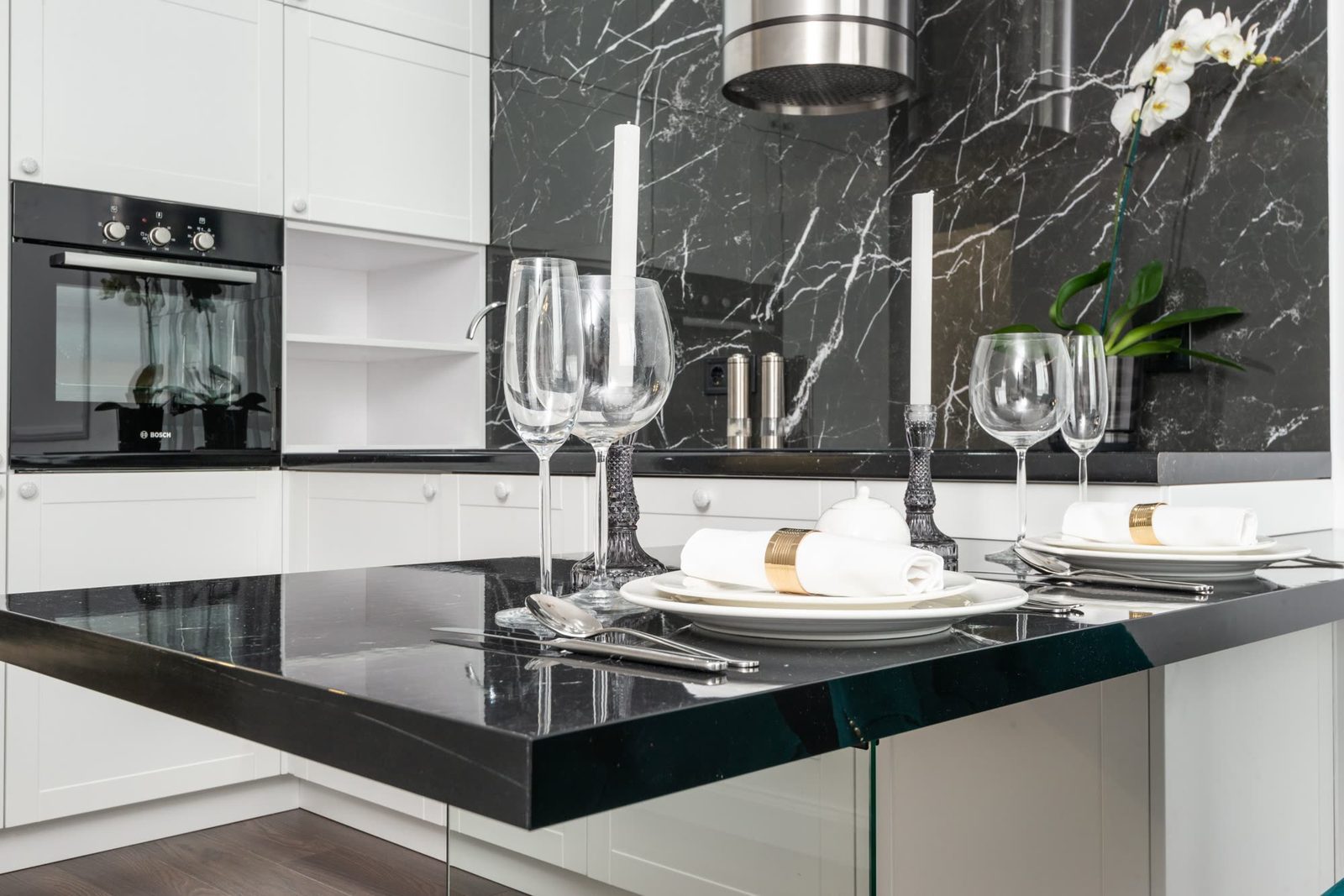
The countertop surface you choose shapes every hour you spend at the kitchen sink. A good material forgives honest mistakes, cleans up easily, and doesn't demand an expensive sealer every year. The ones I recommend here have earned their place on that list by doing exactly that.
How to use this guide
I've organized this around the decisions you actually face: what material holds up under real kitchen work, which edge profiles hide damage and mess, and which finishes mean less maintenance. For each one, I've noted the trade-offs I've personally discovered. There's no perfect countertop, but there are honest choices.
Four questions about finishes, edges and fabricators
- What finish should I pick if I want a low-maintenance surface? Polished granite shows water spots constantly. Honed granite hides them but requires more care with spills. Quartz needs neither, at the cost of less visual depth.
- Are butcher block and other wood surfaces really practical in a kitchen? Yes, if you're willing to oil them every three months and hand-wash rather than flood the surface. They develop character faster than stone—some people love that.
- Which edge profile looks best and stays cleanest? Beveled edges hide dust better than sharp square edges. Bullnose is smooth but shows every handprint. I've settled on a gentle eased edge as a middle ground.
- How much of the cost difference does the fabricator matter? Enormously. The material is half the final price. A good fabricator's templates and seam work will last decades. A rushed job leaves gaps that trap water.
What my counters have cost in time and money
- 16
- Years since I first installed a countertop I'm still happy with, which is how long polished granite lasts without needing professional re-sealing if you're careful.
- 3
- The approximate number of times a year I oil our butcher block countertops to keep them protected and beautiful, which is the honest schedule most homeowners stick to.
- 10
- Years the average quartz counter stays like-new without any maintenance beyond regular cleaning, owing to its engineered stability.
- 40
- The percentage of our overall project budget that went to the countertop itself, excluding backsplash, which is higher than most contractors predict.
Next steps
Now that you know what I favor, the real question is which of these actually fits your home, your budget, and your tolerance for maintenance. Visit the tools guide for advice on working with whatever you choose. If you're still deciding between materials, the difficulty guide walks through countertops alongside other major project decisions. And if questions are keeping you from moving forward, check the project FAQ for answers to the most common uncertainties.
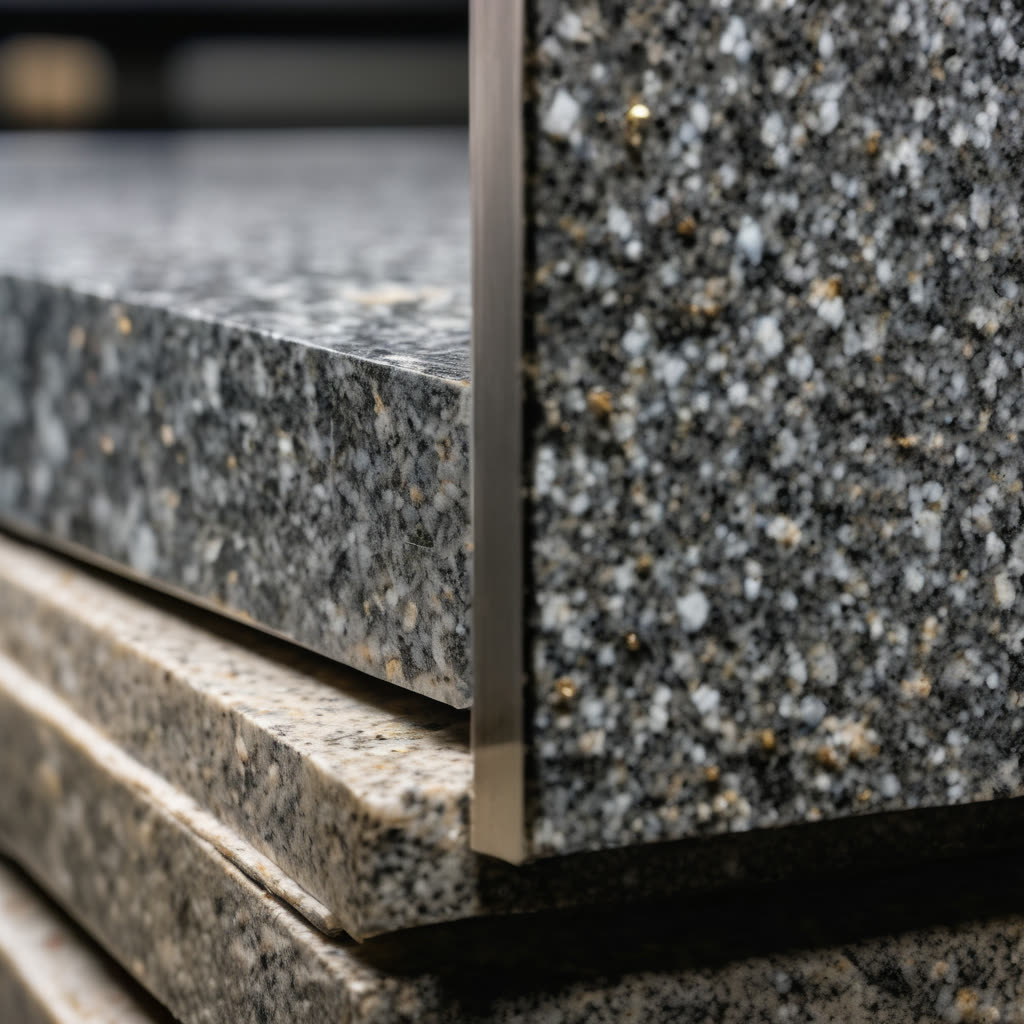
Most of the stone on this list is picked out with a fabricator rather than taken off a shelf, so the shop you choose decides how it turns out. Ask to see the edge options for the stone I rank above, quartz and granite along with marble, quartzite and soapstone, before you commit to a slab.